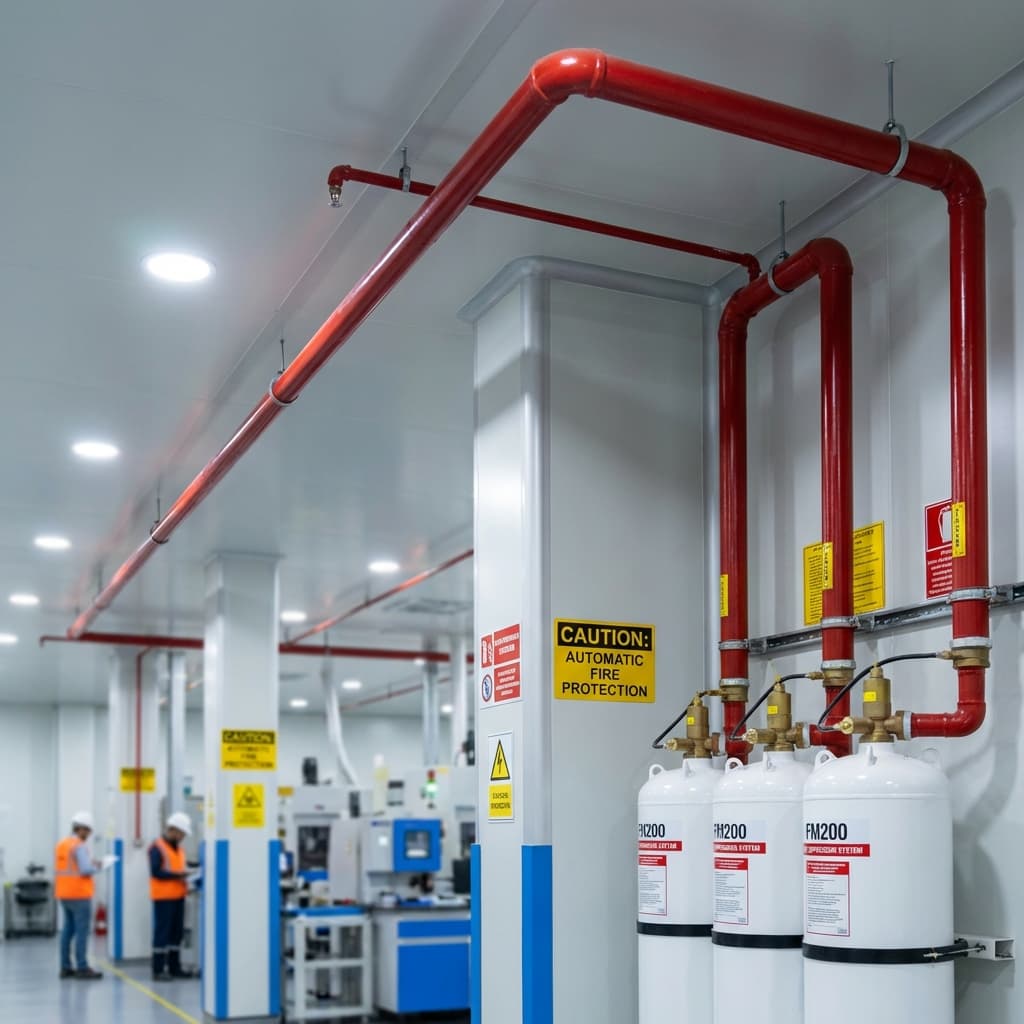

The traditional construction model involves a client acting as a referee between separate contractors for civil works, MEP, and finishing. This fragmented approach often leads to the dreaded "blame game"—delays caused by coordination gaps where the MEP contractor blames the civil contractor for lack of access, and the finishing contractor blames the MEP team for incomplete first-fix. The Turnkey model eliminates this friction entirely, providing a single point of responsibility that transforms how complex projects are delivered.

The Hidden Cost of Fragmented Construction
Before understanding the turnkey advantage, let's quantify what fragmentation actually costs. In traditional multi-contractor projects, coordination failures typically add 15-25% to the final project cost and 20-40% to the schedule. These aren't just numbers—they represent concrete consequences:
- Coordination Meetings: Weekly meetings between 5-7 separate contractors, each with their own agenda and defensive posture, consume massive amounts of time without productive outcomes.
- Rework Costs: When the electrical contractor needs to reroute cables because sleeves weren't cast correctly, someone has to pay—usually the client through variation orders.
- Schedule Delays: Work stoppages while contractors argue about sequence, access, and responsibility compound into weeks of lost time.
- Quality Gaps: Each contractor optimizes for their scope, not the final product. The interface points between scopes become quality weak spots.
Industry Research Finding
According to McKinsey research, the construction industry's productivity has declined since the 1990s, while manufacturing productivity has nearly doubled. The primary cause? Fragmentation and lack of coordination. Turnkey delivery directly addresses this structural problem.
The Power of Unified Responsibility
In a turnkey project, KHEBRAAT acts as the single point of contact and accountability. This results in significant efficiency gains:
- Seamless Clash Detection: Because our Civil and MEP teams sit in the same office, they coordinate sleeves and risers before concrete is even poured. There is no "reworking" because the hole was missed.
- Parallel Workflows: We don't wait for the building to be 100% finished to start systems work. We implement zone-based scheduling where finishes typically start in completed zones while systems are still being commissioned elsewhere. This can compress schedules by 20-30%.
- Cost Certainty: A lump-sum price for the entire scope protects the client from variations and scope creep. The price we say is the price you pay.
- Single Insurance Policy: Instead of navigating multiple contractor insurances and wondering who covers what damage, one comprehensive policy covers the entire project.
BIM-Enabled Coordination
Building Information Modeling (BIM) is transformative when all disciplines work under one roof. In a fragmented model, BIM coordination becomes a contractual nightmare—who pays to fix clashes? Who owns the model? In the turnkey model, BIM becomes a powerful internal tool rather than a source of contractual disputes.
Our teams build fully coordinated 3D models where HVAC ducts, plumbing risers, cable trays, structural elements, and architectural features are all visible together. Clashes are identified and resolved in the virtual model before a single worker steps on site. This "build it twice" approach—first digitally, then physically—eliminates the most expensive surprises in construction.
Value Engineering: Optimization Without Compromise
Value Engineering (VE) is often misunderstood as "cheapening" the project. True Value Engineering is about achieving the same performance outcomes with smarter solutions. In a turnkey model, VE happens naturally because the contractor understands the full system, not just isolated components.
Consider a common scenario: the consultant specifies a pump with certain head pressure requirements based on theoretical calculations. Our field teams know from experience that the specified pipe routing will create lower friction losses than calculated. We can propose a smaller, more efficient pump that meets actual needs rather than over-designed theoretical needs. These optimizations compound—savings in one system often enable savings in supporting systems.
Value Engineering Examples
- • Combined trenching: Running electrical, data, and plumbing in coordinated trenches rather than separate excavations
- • Pre-fabrication: Manufacturing MEP assemblies off-site in controlled conditions, reducing on-site labor and improving quality
- • Equipment optimization: Right-sizing equipment based on actual coordinated loads rather than safety-factor stacking
- • Material substitution: Using equal-performance alternatives that may be faster to install or more readily available
From Skeleton to Furniture: Quality Control
Our capability in Civil Construction enables us to control the quality of the substrate. If the walls aren't straight, the electrical faceplates won't sit flush. If the floor isn't level, the AC vents will look misaligned. By controlling the entire stack, we ensure that the final aesthetic vision is not compromised by rough-in errors.
Integrated Quality Checkpoints
In a turnkey project, quality control becomes integrated rather than adversarial. Our inspection process includes:
- Pre-Pour Inspections: Verifying all MEP sleeves, embeds, and structural preparations before concrete is placed
- First-Fix Verification: Ensuring rough-in work (conduits, pipes, ducts) is complete and pressure-tested before walls are closed
- Systems Integration Testing: Verifying that fire protection, HVAC, electrical, and building management systems communicate correctly
- Commissioning: Performance testing under actual operating conditions with documented results
Risk Management: Transferring Complexity
Developers and investors have enough complexity to manage—land acquisition, financing, permits, marketing, and sales. Adding construction coordination to this list diverts attention from core business activities. The turnkey model transfers construction complexity to a team equipped to handle it.
From a risk perspective, the client has one contract, one bond, one insurance certificate, and one party to hold accountable. If something goes wrong, there's no finger-pointing between contractors—KHEBRAAT owns the solution. This clarity accelerates problem-solving because internal coordination is faster than contractual dispute resolution.
When Turnkey Makes Sense
The turnkey model delivers the greatest value in specific scenarios:
- Speed-to-Market: When revenue depends on opening dates (hotels, retail, offices), schedule compression is worth more than theoretical cost savings from competitive bidding.
- Complex Coordination: Projects with intensive MEP requirements (hospitals, data centers, laboratories) where systems integration is critical.
- Limited Owner Resources: When the client lacks a dedicated construction management team to coordinate multiple contractors.
- Budget Certainty Requirements: When financing or investor requirements demand fixed pricing with minimal variation exposure.
Key Takeaway
Ultimately, investors and developers want an asset that is ready to generate revenue. They do not want to manage conflict. The turnkey approach aligns the contractor's incentives with the client's: get it done right, and get it done fast.