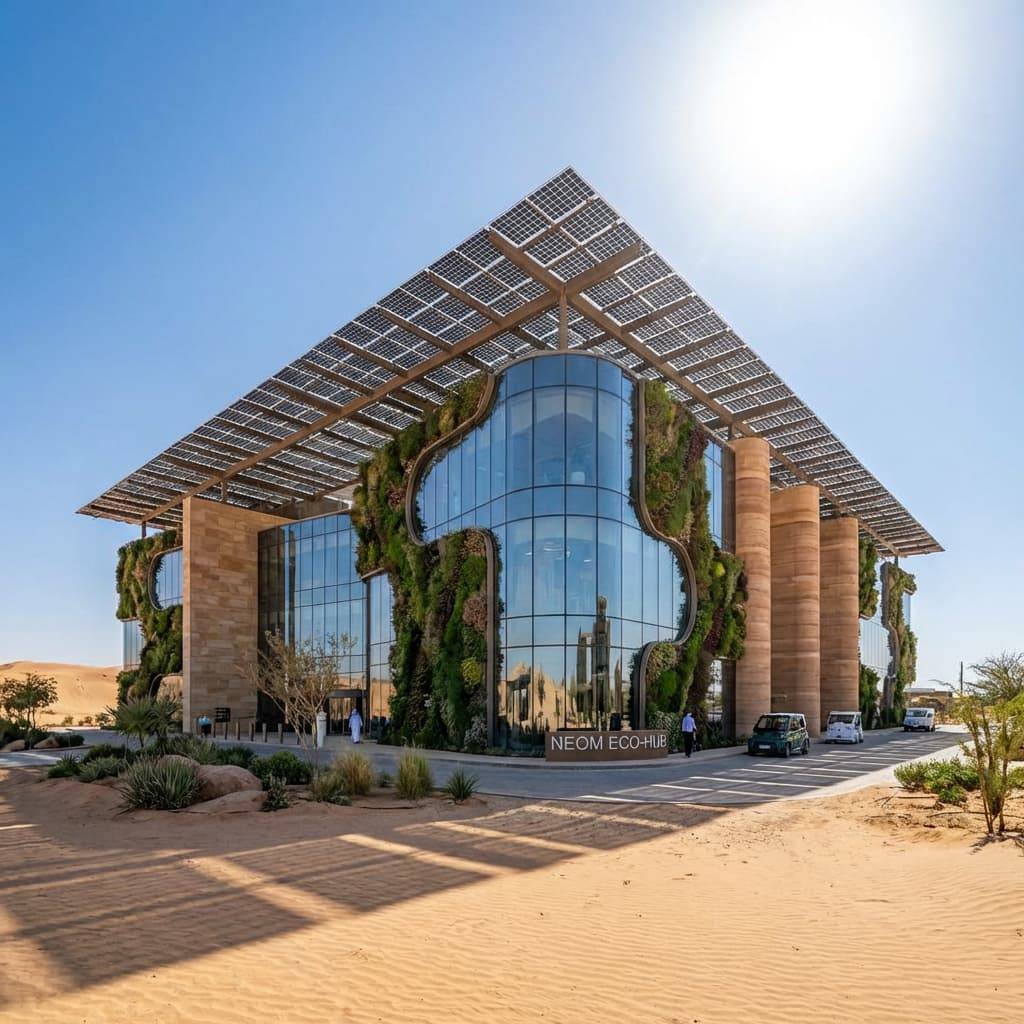
Sustainability is no longer a luxury choice in the construction sector; it is an economic and environmental imperative. In the MENA region, where water scarcity is a daily reality and cooling demands consume up to 70% of building energy, integrated MEP solutions are leading the charge towards a greener future. This shift is not just about compliance with codes like LEED or ESTIDAMA; it is about future-proofing assets against rising utility costs and ensuring long-term asset value.
The Water Stewardship Paradigm
In arid environments, every drop counts. The traditional approach of "pump and dump" is obsolete. Modern construction projects are moving beyond simple low-flow fixtures to embrace comprehensive water cycle management. This holistic view considers water not as a consumable, but as a circular resource within the building envelope.
Advanced Plumbing Systems are now the backbone of sustainable developments. Technologies such as greywater recycling for irrigation and smart leak detection sensors are becoming standard in high-tier developments.
Key Technologies in Water Conservation
- Greywater Recycling Plants: On-site treatment facilities that capture water from sinks and showers, treating it to a quality suitable for landscape irrigation and flushing. This can reduce potable water demand by up to 40%.
- Smart Metering & IoT Sensors: Real-time data transmission allows facility managers to detect leaks instantly. A pinhole leak can waste thousands of liters a month; smart systems identify these anomalies within minutes.
- Centralized Pumping Stations: For large-scale projects, efficient centralized stations reduce energy overhead while maintaining consistent pressure across varying elevations, eliminating the need for energy-intensive individual booster pumps.
Energy Efficiency: The Cooling Challenge
The largest consumer of energy in any regional building involves thermodynamics: keeping the heat out. The shift towards Variable Refrigerant Flow (VRF) and smart chiller management allows buildings to adapt dynamically to occupancy loads, slashing operational costs by up to 30%. At Khebraat, we view the seamless integration of HVAC Systems and Building Management Systems (BMS) as the baseline for modern infrastructure.
It is no longer sufficient to size HVAC systems for "Design Day" peak loads. Systems must be efficient at part-load conditions, which represents 90% of the operating year. Magnetic bearing chillers and VFD-driven pumps are redefining the efficiency curves for mega-projects.
Passive Design & Thermal Mass
Before active cooling is applied, the building envelope must perform. By utilizing thermal bridging techniques and high-efficiency insulation, mechanical loads can be significantly reduced before the first AC unit is even turned on. This passive-first approach, combined with active intelligent cooling, represents the gold standard of MENA construction.
The Solar Integration Opportunity
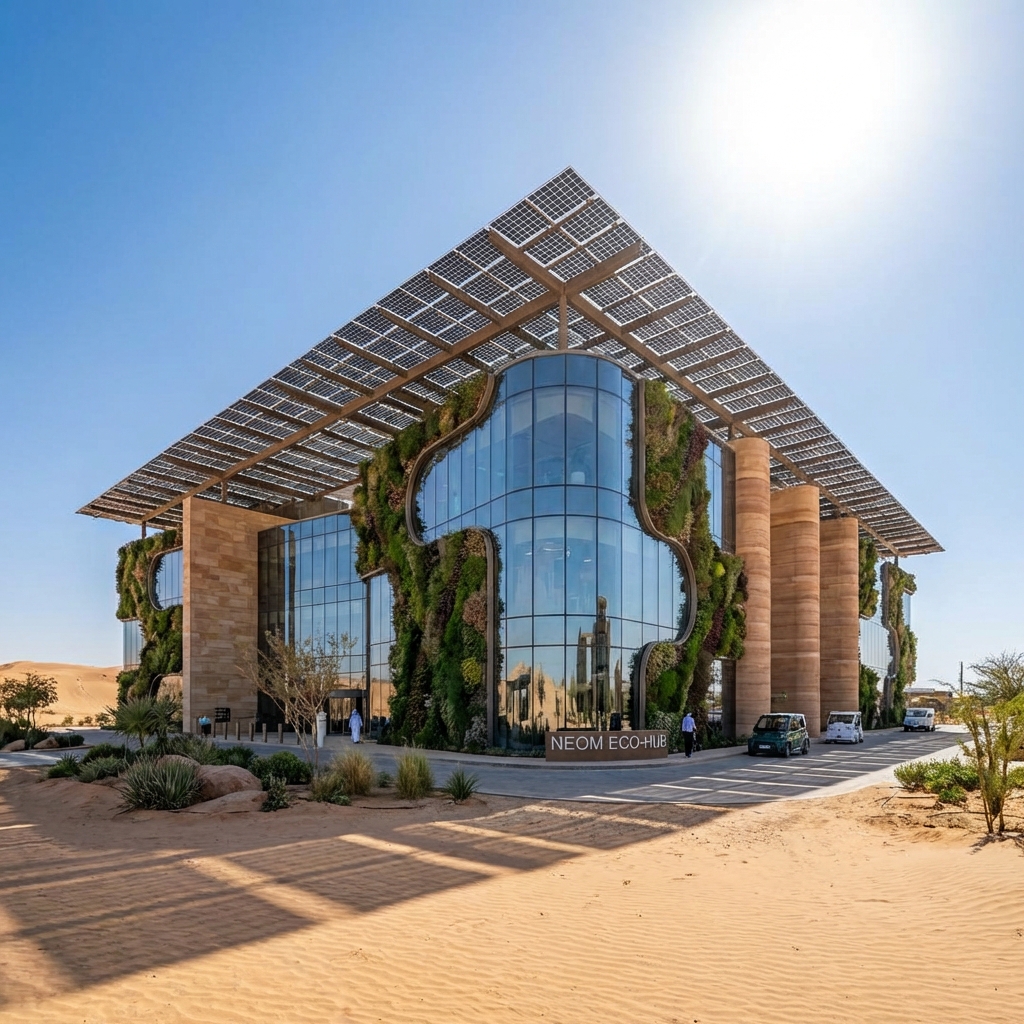
With over 3,000 hours of sunshine annually, the region is prime for photovoltaic integration. However, the challenge lies in integrating these systems with the building's electrical grid without causing instability or harmonics issues.
Our Electrical Works division focuses on smart inverters and battery storage solutions that turn buildings from energy consumers into micro-generators. We are designing infrastructure today that is "Net Zero Ready," capable of accepting future renewable payloads without expensive retrofitting.
Regulatory Compliance & The Path to 2030
Across the region, from Egypt's Vision 2030 to Saudi Arabia's Green Initiative, governments are mandating stricter efficiency codes. The adoption of the Egyptian Green Building Code and international certifications like LEED (Leadership in Energy and Environmental Design) is becoming a requirement for Class-A developments.
Khebraat ensures all designs not only meet but exceed these emerging standards. We conduct detailed energy modeling (utilizing software like HAP and IES-VE) during the design phase to predict energy consumption patterns and optimize system selection before a single cable is laid.
Benefit Summary
Implementing these integrated sustainability measures typically yields an ROI of 3-5 years, with continued operational savings for the lifespan of the building.